October is Domestic Violence Awareness Month

Leave your florals at home this month (no shade to Hollywood). With 1 in 3 women and 1 in 10 men experiencing domestic violence (DV) in their lifetimes, it’s nothing to take lightly. Ranging from verbal manipulation to fatal aggression, DV is a complicated, insidious, and taboo intruder to relationships and families alike. DV transcends gender, sexuality, class, race, and religion. While there are certain factors that increase a person’s risk, anyone can experience DV.
As October progresses, you may wonder how to shed light on this heavy topic. Whether you have been impacted by DV and want to find meaning in your experience, or you simply wish to increase awareness, there are a few ways to take action:
1. Educate yourself and others. Have you ever seen this graphic? The Power and Control Wheel is an honest way to understand DV. Notice the spokes, and how each factor can quickly escalate.

2. Support local organizations. Every major city has some form of shelter or resource facilities for DV survivors. Typically run as 501(c)(3)s, these organizations need your support. You can volunteer your time, donate, or share the word on their powerful missions.
3. Talk about DV. Societal norms discourage us from discussing the “ugly” or complicated aspects of human relationships. This discouragement can lead to immense shame and isolation for those impacted by DV. If we take a therapeutic approach here, practicing opposite action (identifying an urge or reaction, and responding contrary to that urge) is a powerful way to combat this shame. The next time you have a twinge of discomfort around discussing DV, ask yourself where that shame came from. Then, try out opposite action in a safe environment, and talk about it. You can rely on the educational aspects, your personal experiences, or actionable items (such as number 2 on this list)!
4. Advocate. Get involved in local campaigns or initiatives aimed at preventing domestic violence and supporting survivors. And, VOTE. Know who you are voting for, and what their stance on DV is.
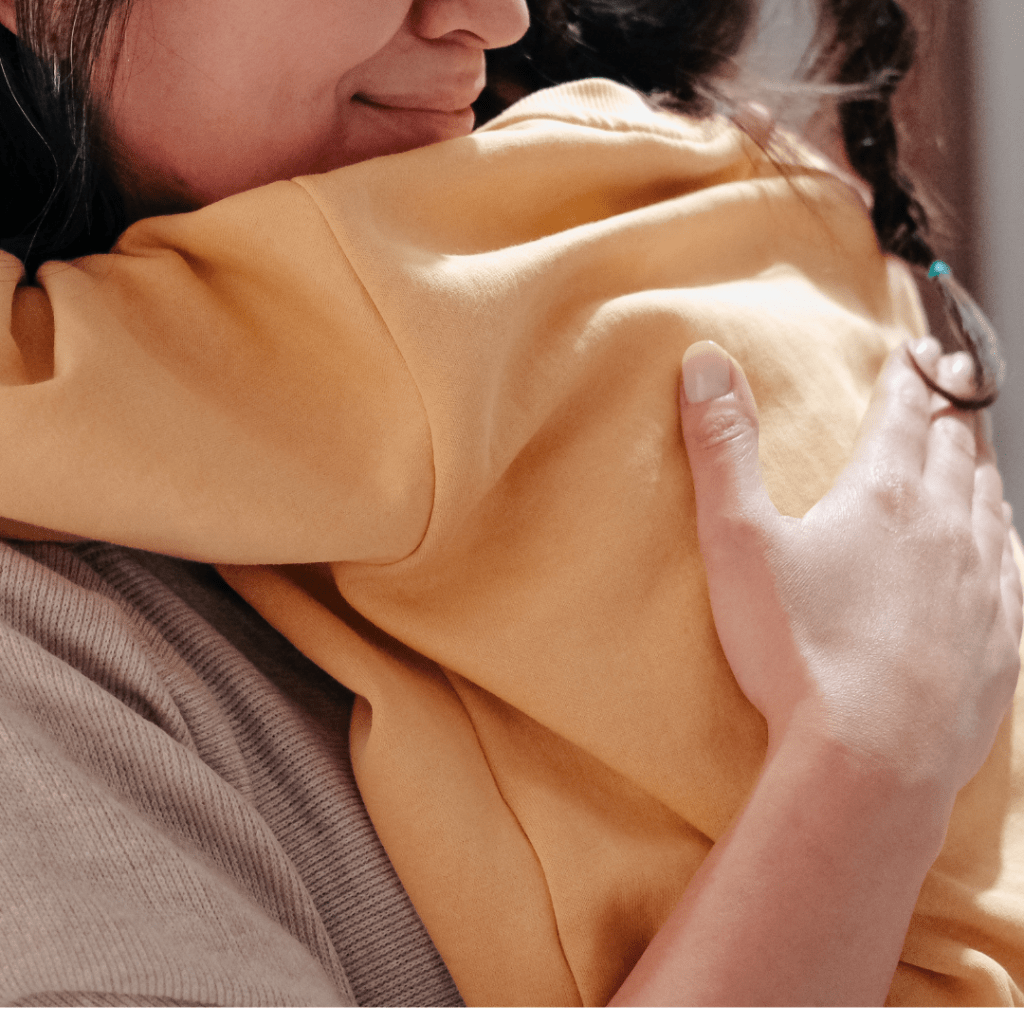
5. Ask, “are you okay?”. For too long, the norm has been to look away. When you see someone who is struggling, reach out. Let them know you’re there to listen without judgment. Sometimes, just knowing someone cares can make a world of difference. They may not be able to leave, but knowing you are in their corner will serve as a protective factor.
If you or someone you know is experiencing domestic violence, know that there is help available. Hotlines, counseling, and support groups are just a call away. Don’t hesitate to reach out for help—there are people who care and want to support you.
Disclaimer: This blog post is intended for informational purposes only and does not substitute professional therapy. For therapeutic treatment, please reach out to a qualified mental health professional.
If you or someone you know is experiencing or recovering from DV, and you don’t know where to start with healing, I am here for you. Set up a free, 15 minute consultation by visiting Whippoorwill Counseling.





 Whippoorwill Counseling Writes
Leave a comment